Amino acids

What are amino acids?
Amino acids, also known as AMA, are organic molecules that serve as the building blocks of proteins. Each contains an amino group, a carboxyl group and a unique side chain that determines its properties.
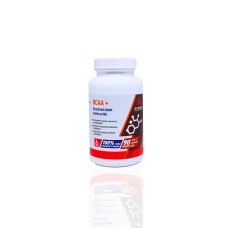
In sports pharmacology, basic amino acids are often used as active ingredients. It is available in the form of oral tablets or capsules. They help to maintain the health of athletes during increased physical activity. After all, during this period, the demands of our body are increased and it is often unable to cope without outside support.
What is the use of amino acids?
The human body cannot function without AMA; they are essential for most biological processes. Acquiring amino acids is especially important for athletes who experience increased physical activity. Key features include:
- Protein production. Proteins are chains of AMA involved in reaction catalysis, structural support, transport and regulation.
- Immune support. For example, glutamine contributes to defence system function.
- Neurotransmitter synthesis. These are substances that transmit signals between cells in the nervous system.
- Energy generation. When there is a sugar deficiency, the body begins to use BUN.
- Tissue repair. Especially important after injuries caused by high physical exertion and stress.
What amino acid tests should I take before taking it?
It is recommended that you have a medical examination and testing before you start taking amino acids.
At your doctor's discretion, this may include:
- Amino acid profile studies.
- Liver and kidney function tests.
- OAC.
This way you can determine current levels of all BUNs and identify possible deficiencies.
What are the essential amino acids?
There are 20 standard amino acids, 9 of which are essential amino acids. The essentials are not synthesised by the body but come from food. Or you can buy BCAAs and the rest as sports supplements in capsules.
To get the necessary BCAAs, it is important to include the following foods in your diet:
- Chicken, beef, pork, salmon.
- Egg.
- Soybeans, beans, lentils, quinoa.
- Milk, cheese, yoghurt.
- Almonds, chia seeds, walnuts.
If the body cannot absorb amino acids from food in this way, supplements can be used, especially if the need for them increases, for example, during strenuous exercise.
What are substitutable amino acids and essential amino acids?
Substitutable - the body can synthesise it itself. This means that the body can produce them even if they do not come from food. They play an important role in various metabolic processes, but deficiency is rare because the body can compensate for their absence.
Examples of substituted amino acids:
- Alanine (C3 H7 N O2). Involved in glucose metabolism and aids in the detoxification process.
- Serine (C3 H7 N O3). Important for protein synthesis and fat metabolism.
- Asparagic acid (C4 H7 N O4). Participates in the tricarboxylic acid cycle and is important for energy production.
- Asparagine (C4 H8 N2 O3). Important for protein synthesis.
- Glutamic acid (C5 H9 N O4). A key neurotransmitter.
- Essential - not synthesised by the body and must be obtained from food or supplements. These AMA's are vital and their deficiency can lead to serious impairment of body functions.
These are essential amino acids:
- Leucine (C6 H13 N O2). Important for protein synthesis and muscle repair.
- Lysine (C6 H14 N2 O2). Essential for collagen synthesis and carnitine production.
- Isoleucine (C6 H13 N O2). Involved in energy metabolism and muscle repair.
- Methionine (C5 H11 N O2 S). Involved in metabolism and detoxification.
- Threonine (C4 H9 N O3). Important for protein and enzyme synthesis.
- Phenylalanine (C9 H11 N O2). Precursors of neurotransmitters.
- Tryptophan (C11 H12 N2 O2). A precursor to serotonin, which regulates mood and sleep.
- Histidine (C6 H9 N3 O2). Involved in the production of haemoglobin and supports immune function.
- Valine (C5 H11 N O2). Important for energy metabolism and muscle repair.
Some AMAs are considered conditionally essential because they are normally synthesised by the body, but under certain conditions they may be insufficient. And then they must also come from outside the body. example:
- Cysteine (C3 H7 N O2 S). Important for protein synthesis and antioxidant defence.
- Tyrosine (C9 H11 N O3). Precursor to the synthesis of dopamine and noradrenaline.
- Glycine (C2 H5 N O2). Involved in protein synthesis and antioxidants.
- Glutamine (C5 H10 N2 O3). Involved in maintaining the immune system and gut health.
- Proline (C5 H9 N O2). Important for collagen synthesis.
Amino acids in sports nutrition
Based on our observations, it can be said that amino acids are widely used in sports nutrition for various purposes:
- Increasing muscle size. AMA promotes protein production.
- Increase endurance. Arginine and citrulline improve blood circulation and oxygen supply to muscle tissues.
- Muscle recovery. BCAAs (isoleucine, leucine and valine) help muscles recover after a workout.
Where can I buy amino acid sports supplements in England?
You can order sports amino acids and other supplements from our online pharmacy. Here you can find only trusted brands that guarantee the quality and effectiveness of their products. Our experts are ready to advise you on the choice of the drug and tell you how to use it correctly to achieve the best results.
The order can be placed online and delivered to any city. We guarantee prompt delivery and provide advice on all matters related to the selection and use of sports supplements